The Halo Effect: Designing Integrated Safety for the Robotaxi Era
NVIDIA is advocating for 'Halo' safety systems in robotaxis to ensure that secondary monitoring is built into the vehicle architecture. This approach moves away from external patches toward integrated safety-first hardware.
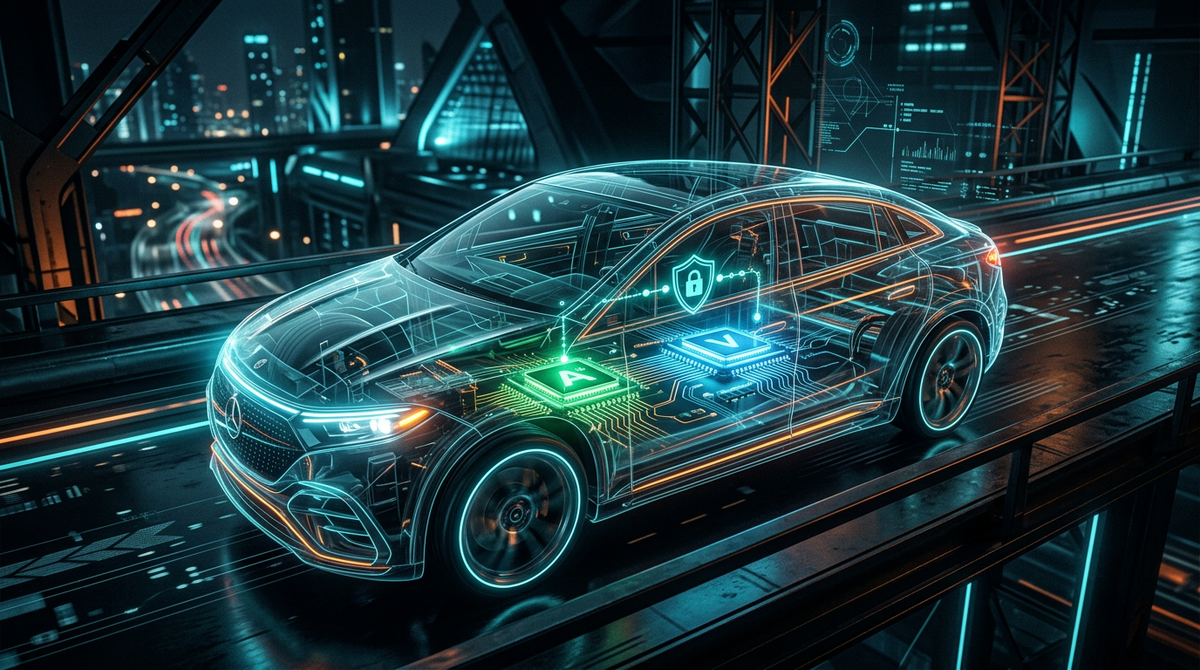
The widespread adoption of robotaxis relies on a single, non-negotiable factor: public trust. To achieve this, NVIDIA is promoting a philosophy where safety is "built in, not bolted on." Central to this vision is the concept of a "Halo" safety operating system—a secondary, independent layer of the vehicle's architecture that acts as a fail-safe for the primary AI driver.
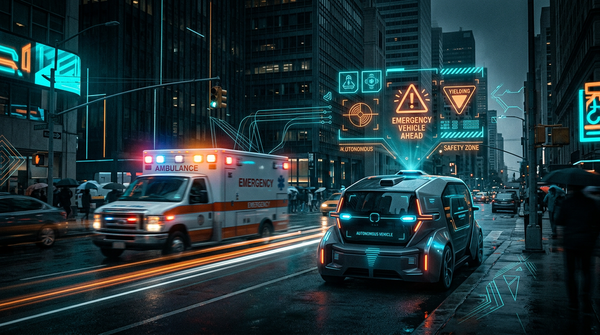
In a standard ADAS-equipped car, human intervention is the backup. In a level 4 or 5 robotaxi, the car must be its own backup. NVIDIA's approach utilizes a diverse and redundant set of sensors and compute platforms to create a safety supervisor. This "Halo" monitors the primary AI's performance; if it detects a discrepancy or a failure in the main system, it can take control to bring the vehicle to a "minimal risk condition," such as pulling safely to the curb.
By integrating this at the silicon and OS level, NVIDIA aims to eliminate the vulnerabilities found in aftermarket or software-only safety solutions. The goal is to create a standardized safety architecture that remains robust even if the main neural network encounters an "edge case" it cannot solve. As London and other major cities prepare for robotaxi showdowns involving Uber and Wayve, this integrated safety approach will likely become the regulatory gold standard.
Source: NVIDIA Blog