The Energy Convergence: Scaling Power for ADAS and AI Factories
While the 'world’s largest' second-life EV battery factory opens, the automotive industry and AI data centers are converging on a shared problem: energy density and grid stability. New ADAS features are increasingly reliant on the same power management solutions used in high-performance computing.
The Power Paradox: Where ADAS Meets the Data Center
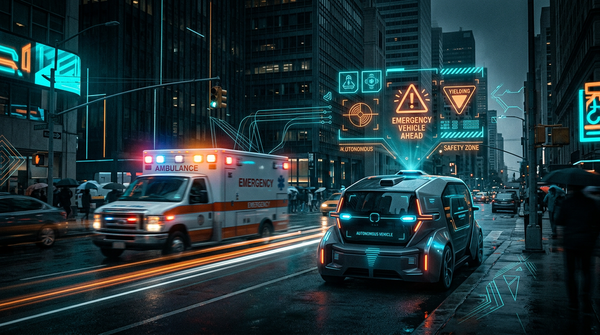
The rapid advancement of Advanced Driver Assistance Systems (ADAS) is creating an unexpected convergence between the automotive sector and the data center industry. As ADAS moves toward Level 3 and Level 4 autonomy, the onboard processing power required is skyrocketing, turning vehicles into mobile nodes of a distributed AI network. This evolution has brought power management to the forefront of automotive engineering.
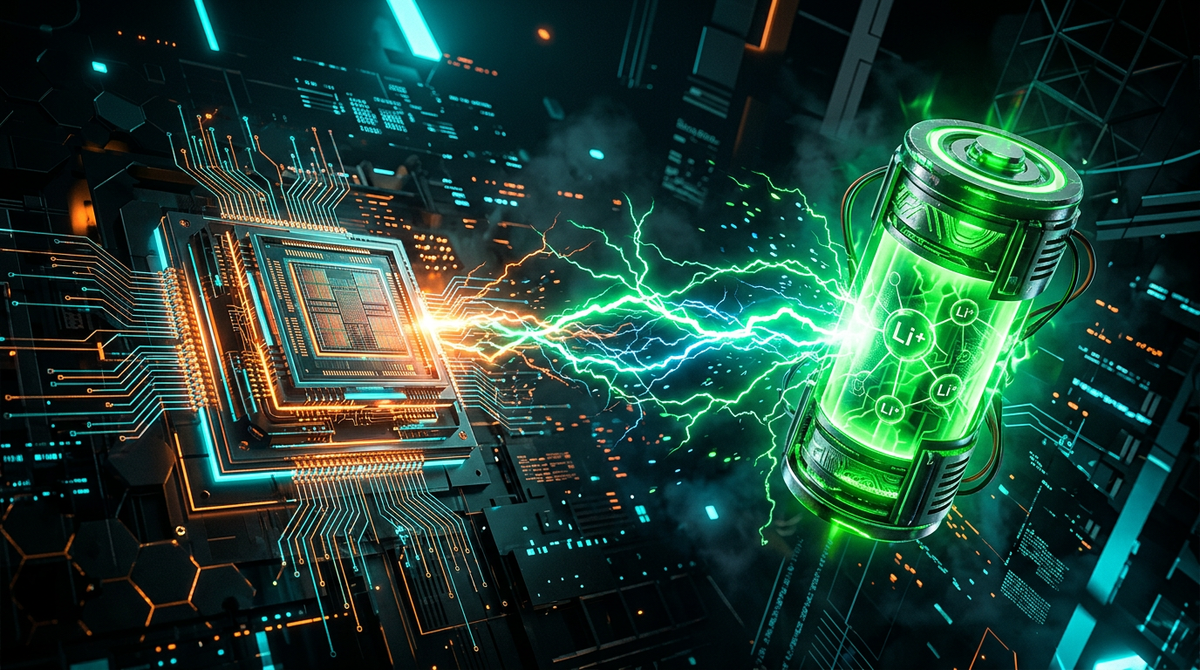
Both sectors are now grappling with the same fundamental issues: how to draw massive amounts of energy from a limited source without overheating components or destabilizing the wider system. In the automotive world, this translates to balancing the power needs of the electric motor with the thirst of the AI chips driving the ADAS sensors. A breakthrough in power-efficient inference for a data center is now directly applicable to extending the range of an EV equipped with high-end safety features.
A significant part of this solution involves the "second-life" of batteries. Moment Energy recently opened what it claims is the world’s largest second-life EV battery factory. These facilities take batteries that are no longer fit for high-performance driving but still retain 70-80% of their capacity and repurpose them for stationary energy storage. This creates a circular economy that supports the massive energy demands of both charging networks and the data centers training the next generation of ADAS models.
As ADAS becomes standard, the "power per token" or "power per decision" metric is becoming as important as horsepower. Engineers are looking at wide-bandgap semiconductors like Silicon Carbide (SiC) to reduce switching losses in both car inverters and server power supplies. This shared technological roadmap suggests that the future of road safety and the future of AI are powered by the same innovations in energy management.