The 'Edge Case' Delusion: Regulators Demand Better AV Response to Emergencies
The autonomous vehicle industry is facing a reality check as regulators demand better performance during emergency scenarios. Recent software recalls highlight the difficulty AVs have when encountering 'edge cases' like heavy smoke and first responders.
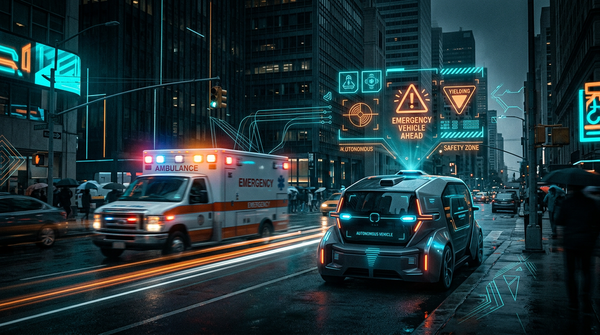
The autonomous vehicle (AV) sector is navigating a tumultuous period as federal regulators tighten their oversight of self-driving technology. The National Highway Traffic Safety Administration (NHTSA) recently issued a stern reminder to the industry: emergency scenes involving first responders are not rare 'edge cases' but expected reality. This directive follows a series of incidents where robotaxis interfered with fire trucks and ambulances, leading to a demand for immediate algorithmic improvements.
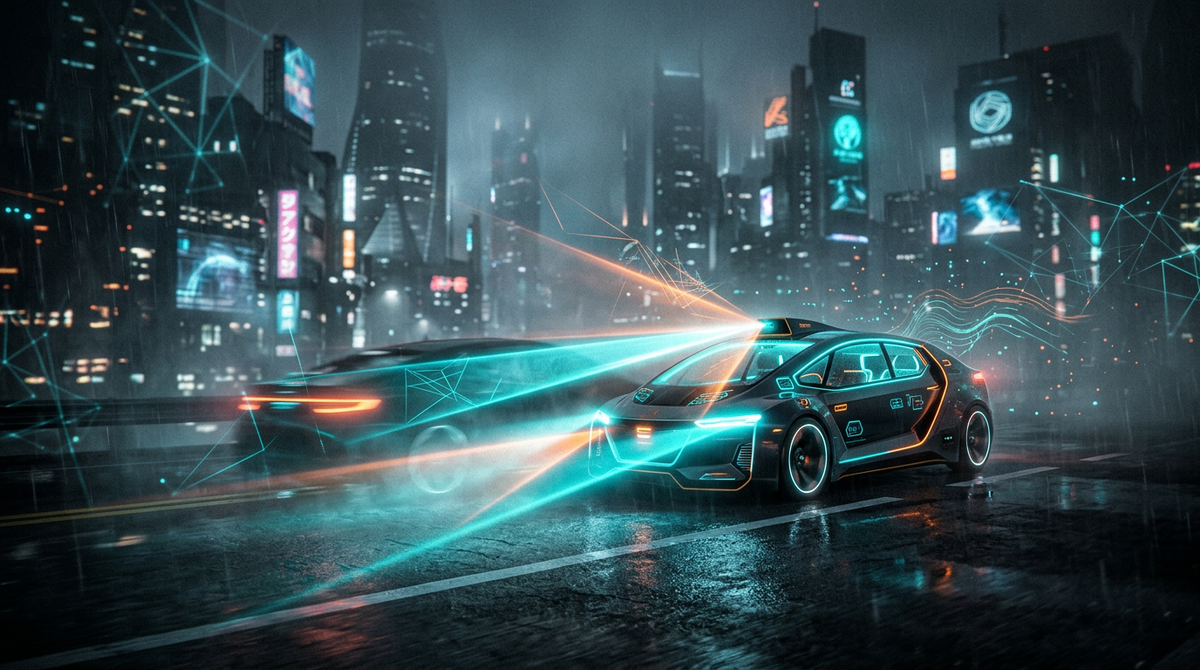
Highlighting these technical hurdles, Zoox—Amazon’s autonomous driving subsidiary—recently issued a software recall after its vehicles became confused by heavy smoke. The incident underscores a persistent challenge in computer vision: the ability to distinguish between harmless environmental factors and critical hazards. When smoke or fog obscures the horizon, many AV stacks fail to maintain a coherent spatial map, leading to unpredictable braking or dangerous maneuvers.
Despite these setbacks, the sector is seeing a massive influx of capital. New players are entering the freight and long-haul trucking markets, betting that the 'vision for autonomous transport' has finally caught up with the hardware capacity. As the '2016 hype cycle' repeats itself, the focus has shifted from mere testing to rigorous safety validation. The industry's path forward now depends on proving to both regulators and the public that these vehicles can handle the chaotic, unscripted nature of urban environments without obstructing those tasked with keeping the public safe.
Source: TechCrunch