Tesla Unleashes Pedal-less Cybercab on Austin Streets
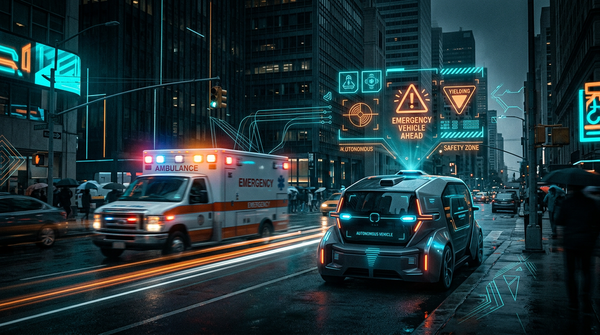
Tesla has begun public testing of its 'Cybercab' in Austin, a vehicle designed entirely without a steering wheel or pedals. This move signals a pivot toward a dedicated robotaxi business model as the company seeks to finally deliver on autonomous ride-hailing.
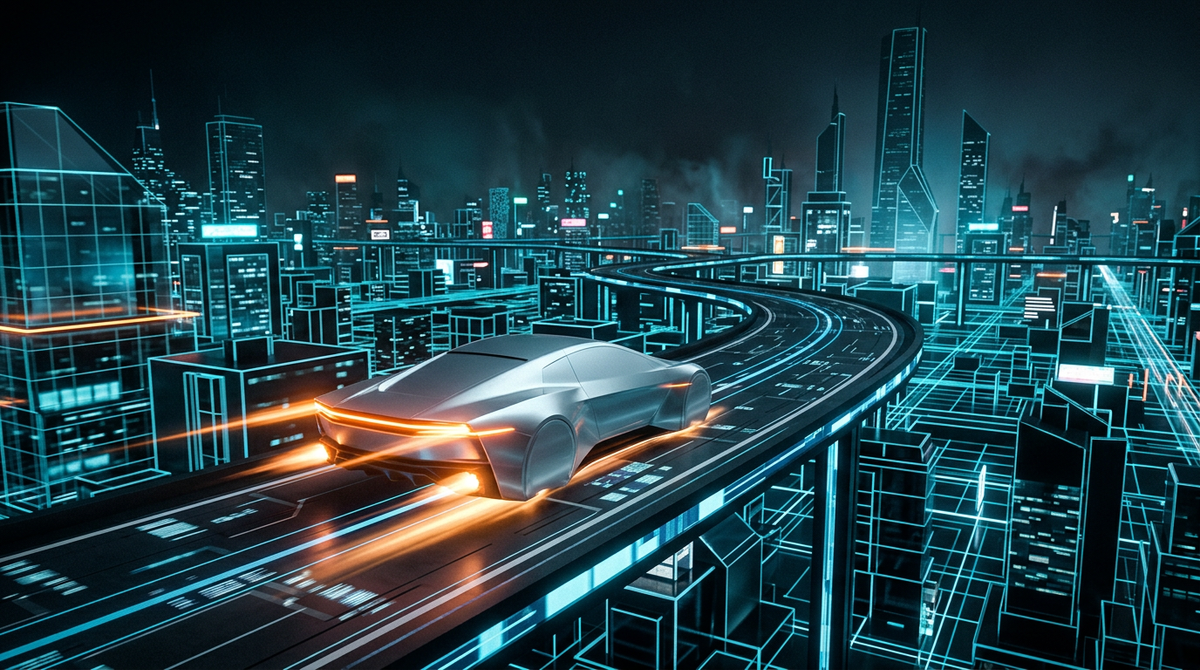
The long-promised era of the dedicated robotaxi has reached a new milestone in Austin, Texas. Tesla has officially begun testing its "Cybercab," a purpose-built autonomous vehicle that lacks traditional human controls like steering wheels and pedals. While Tesla has previously integrated "Full Self-Driving" (FSD) software into its consumer vehicles, the Cybercab represents a shift toward a service-oriented business model similar to Waymo.
The Austin tests are designed to validate the vehicle's hardware-software integration in a complex urban environment. Unlike traditional cars retrofitted with sensors, the Cybercab’s interior is optimized for passenger comfort and entertainment, reflecting Elon Musk’s vision of a future where cars are essentially mobile lounges. However, the software remains the primary hurdle; Tesla continues to rely on an "eyes-on" camera system rather than the LiDAR suites favored by rivals.
Regulatory scrutiny remains intense. While Texas offers a relatively permissive environment for autonomous testing, the removal of physical controls requires federal exemptions and rigorous safety proof. If successful, the Cybercab could redefine the economics of ride-sharing by removing the cost of a human operator, provided Tesla can achieve the "Level 5" autonomy that has eluded the industry for years.
Source: TechCrunch