Tesla’s Pedal-Less Cybercab Hits Austin Streets for Testing
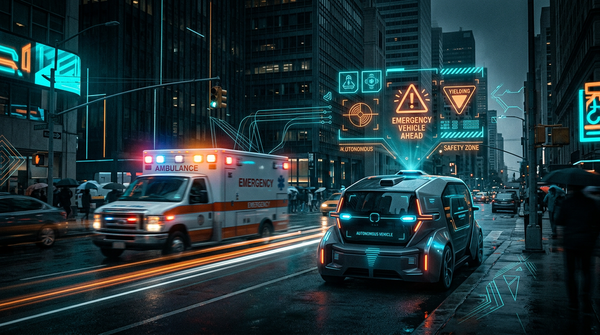
Tesla has begun testing its 'Cybercab' in Austin, a vehicle designed from the ground up without a steering wheel or pedals. This marks a pivotal shift for the company as it attempts to transition from a car manufacturer to a robotaxi service provider.

The streets of Austin, Texas, have become the testing ground for Tesla's most radical hardware experiment to date: the Cybercab. Unlike previous iterations of Tesla vehicles that relied on Autopilot or full self-driving (FSD) software running on consumer cars, the Cybercab is a purpose-built autonomous vehicle. It notoriously lacks a steering wheel, accelerator, and brake pedals, signaling Elon Musk’s total commitment to a vision of Level 5 autonomy.
While Tesla has faced years of scrutiny over the naming and performance of its driver-assist software, the Austin tests represent a phase where the software "ghost" finally has a dedicated "shell." The move follows a broader industry trend where companies are realizing that truly autonomous ride-hailing requires vehicle designs that prioritize passenger comfort and interior utility over traditional driving ergonomics.
However, the regulatory landscape remains a significant hurdle. Operating a vehicle without manual controls on public roads requires specific exemptions from federal motor vehicle safety standards. As Tesla pushes ahead with these tests, the data gathered in Austin will be critical in proving to regulators that a camera-only vision system can safely navigate complex urban environments without a human safety driver behind a non-existent wheel.
Source: TechCrunch