Tesla’s Fleet Pivot: Transforming the Cybercab into a Software-Led Platform
Tesla's upcoming Cybercab launch includes a new fleet management portal. The company is actively soliciting buyers to run large-scale autonomous fleets, shifting its business model toward 'Uber-style' platform operations.

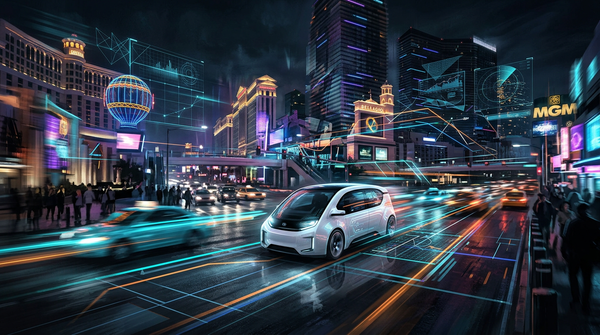
As the October unveiling of Tesla’s dedicated robotaxi—the Cybercab—approaches, the company is shifting its focus from individual car sales to fleet management. Tesla recently published a form on its website soliciting information from individuals and entities interested in purchasing and operating 'Cybercab fleets.' This marks a significant pivot toward the Software-Defined Vehicle (SDV) era, where the vehicle is less a product and more a node in a decentralized transportation network.
The Cybercab is expected to be a purpose-built autonomous vehicle, likely lacking traditional controls like steering wheels or pedals. By encouraging the purchase of fleets, Tesla is essentially building a distributed ride-hailing network that it will control via software. Fleet owners will be responsible for the physical assets, while Tesla provides the 'Full Self-Driving' (FSD) stack and the dispatching platform, taking a cut of every ride.
This 'Uber-fication' of the Tesla ecosystem relies heavily on the SDV architecture. The ability to push over-the-air (OTA) updates to optimize fleet routing, manage battery health across hundreds of units simultaneously, and deploy new autonomous features instantly is what makes the fleet model viable. However, challenges remain, including new age restrictions that may limit the Cybercab’s utility for families, as recent reports suggest a 'no children under 13' policy for the new vehicles.
Source: TechCrunch