Tesla’s Cybercab Hits the Streets: A Future Without Steering Wheels
Tesla has begun public road testing of its dedicated 'Cybercab' in Austin, Texas, a vehicle designed from the ground up without a steering wheel or pedals. This marks a pivotal moment for Elon Musk’s long-promised robotaxi network, shifting the focus from assisted driving to pure autonomy.
Austin Becomes the Proving Ground for Tesla’s Pedalless Future
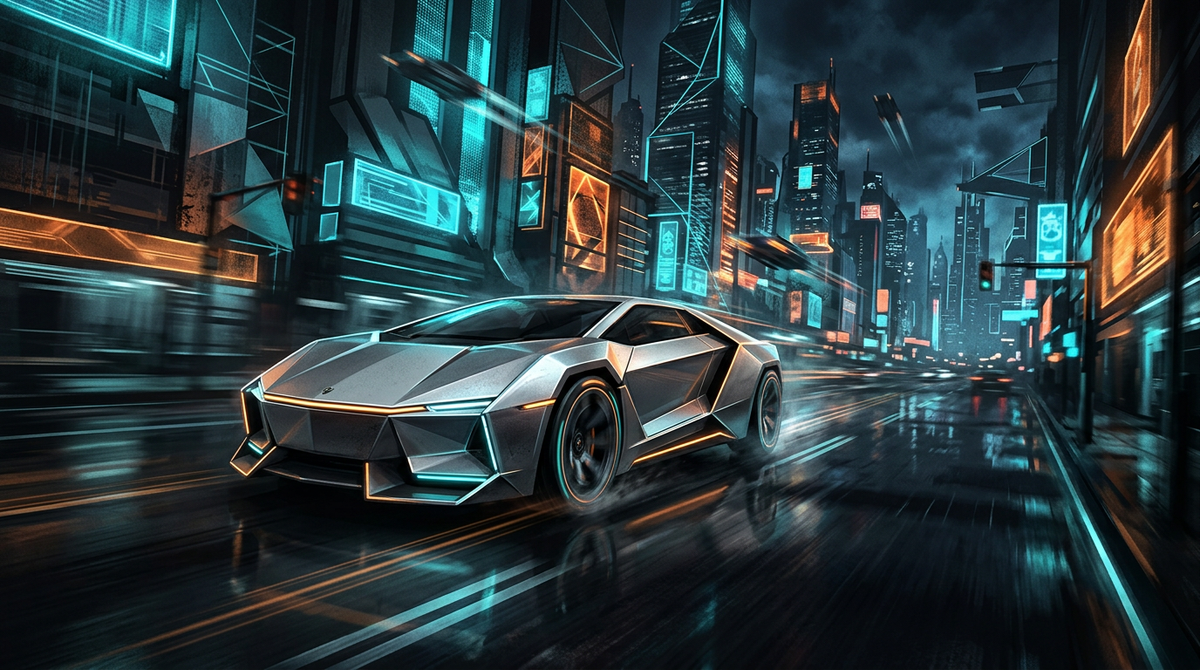
After years of speculation and software iterations, Tesla’s vision for a dedicated robotaxi is manifesting on the streets of Austin. The "Cybercab," a vehicle built without traditional driver controls like steering wheels or foot pedals, has officially begun testing. This move signals Tesla’s confidence that its "Vision-only" approach to autonomy has reached a level of maturity that no longer requires a human safety fallback in the cabin.
The Cybercab represents a radical departure from the Model 3 and Model Y vehicles currently used for the Full Self-Driving (FSD) beta program. By removing the physical interfaces for human driving, Tesla is committing to a future where the vehicle is purely a service-oriented pod. This architectural shift is intended to lower the cost of ride-hailing to a point where it becomes more economical than private car ownership.
The testing in Austin is not just about the software; it is also a test of the regulatory and operational infrastructure. Unlike traditional automakers who rely on Lidar and high-definition maps, Tesla’s Cybercab relies on a massive fleet-trained neural network. The data gathered from millions of existing Tesla vehicles on the road provides the "corner case" training necessary for a vehicle that has no way for a human to take over if things go wrong.
If successful, the Cybercab could allow Tesla to launch its own proprietary ride-sharing network, rivaling companies like Waymo. However, the lack of traditional controls means the vehicle must meet stringent Federal Motor Vehicle Safety Standards (FMVSS) exemptions, a hurdle that has historically slowed down the deployment of autonomous vehicles from competitors. For now, the sight of a steering-wheel-less car in Texas is a preview of the next chapter in the autonomous revolution.
Source: TechCrunch