Tesla Robotaxi Disclosures Highlight Risks of Human Teleoperation
Internal crash reports reveal that Tesla’s Robotaxi scaling efforts have encountered hurdles involving remote human operators. These incidents highlight the ongoing challenges of blending autonomous software with teleoperated intervention in complex urban environments.
The Teleoperator Paradox in Autonomous Scaling
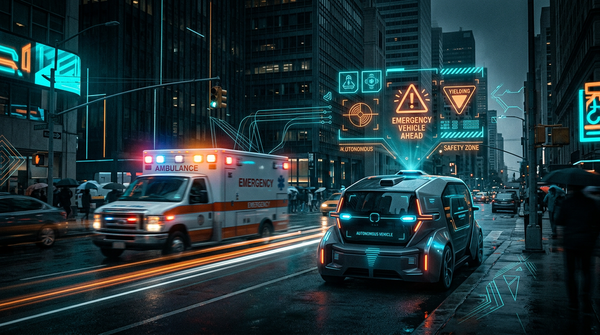
As the race for Level 4 and Level 5 autonomy intensifies, the role of the "human in the loop" remains a point of friction. Recent disclosures regarding Tesla’s Robotaxi program have brought two specific crashes into the spotlight—incidents where teleoperators were involved. While teleoperation is often touted as the safety net for edge cases the AI cannot handle, these reports suggest that the handoff between machine and human is a high-risk transition zone.
The "Robotaxi" vision relies on the premise that an autonomous fleet can operate with minimal oversight. However, when an autonomous vehicle encounters a scenario it cannot navigate—a construction zone with confusing signage or an erratic pedestrian—it often "calls home." If the teleoperator’s situational awareness is even slightly lagged by network latency or a lack of physical presence, the resulting intervention can lead to mishaps.
These crashes underscore the necessity for more robust Software-Defined Vehicle (SDV) architectures that can prioritize safety protocols during handoffs. For the industry at large, these revelations act as a cautionary tale: scaling a driverless fleet isn't just about training better neural networks; it’s about perfecting the high-stakes interface between artificial and human intelligence under pressure.
Source: TechCrunch