Tesla Begins Austin Testing of Steering-Wheel-Free Cybercab Fleet
Tesla has transitioned from simulation to street-level testing of its dedicated 'Cybercab' in Texas, operating without traditional manual controls. This marks a pivotal moment for the industry as it moves toward high-density urban robotaxi deployments.
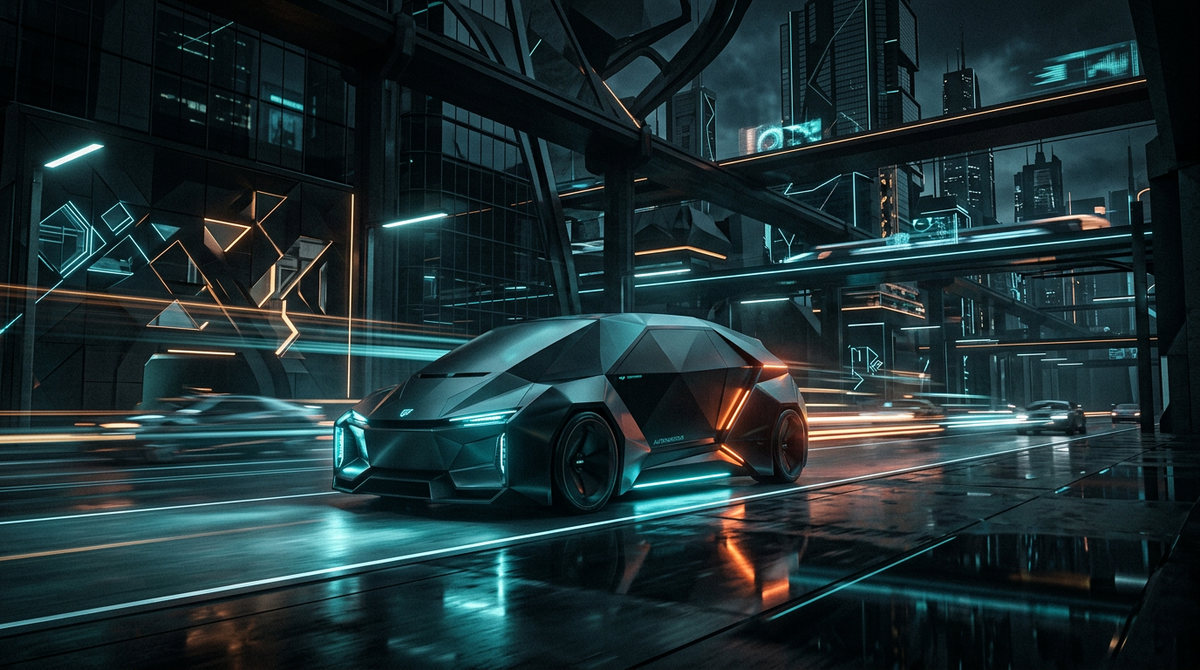
Tesla has officially begun testing its purpose-built robotaxi, known as the "Cybercab," on public roads in Austin, Texas. Notably, these developmental vehicles are operating without a steering wheel or pedals, signaling Tesla's commitment to a "Level 5" autonomous future. This deployment is a tangible step toward Elon Musk’s long-standing promise of a fully autonomous ride-hailing network that operates with minimal human intervention.
While Tesla has faced skepticism regarding its "vision-only" approach to autonomy, the Austin tests represent a shift from consumer-grade Full Self-Driving (FSD) software to a dedicated fleet architecture. The Cybercab is designed from the ground up for commercial autonomy, prioritizing interior space and durability over the traditional driver-centric cockpit. The test fleet is currently mapping complex urban environments to refine the vehicle's "edge case" handling—scenarios like construction zones and unpredictable pedestrian behavior that have historically plagued autonomous systems.
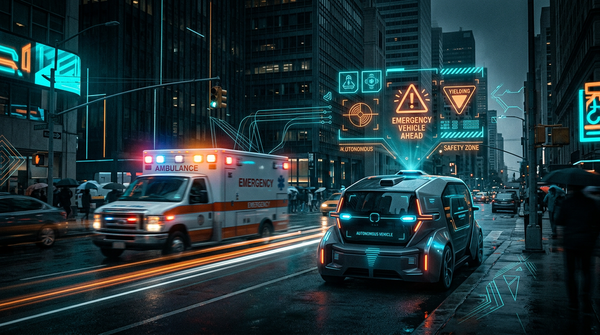
As Tesla pushes forward, the regulatory environment is also tightening. The success of the Cybercab will depend not just on the software’s ability to navigate A-to-B, but on its integration with urban infrastructure and its ability to prove safety metrics that exceed human drivers. For Austin, this represents a glimpse into a future where the city’s mobility is dominated by software-driven fleets rather than privately owned vehicles.
Source: TechCrunch