Scaling the Backbone: The Evolution of Auto Ethernet in AI-Defined Vehicles
The shift toward AI-defined vehicles is placing unprecedented stress on Auto Ethernet networks, necessitating new standards for time-sensitive networking and security.
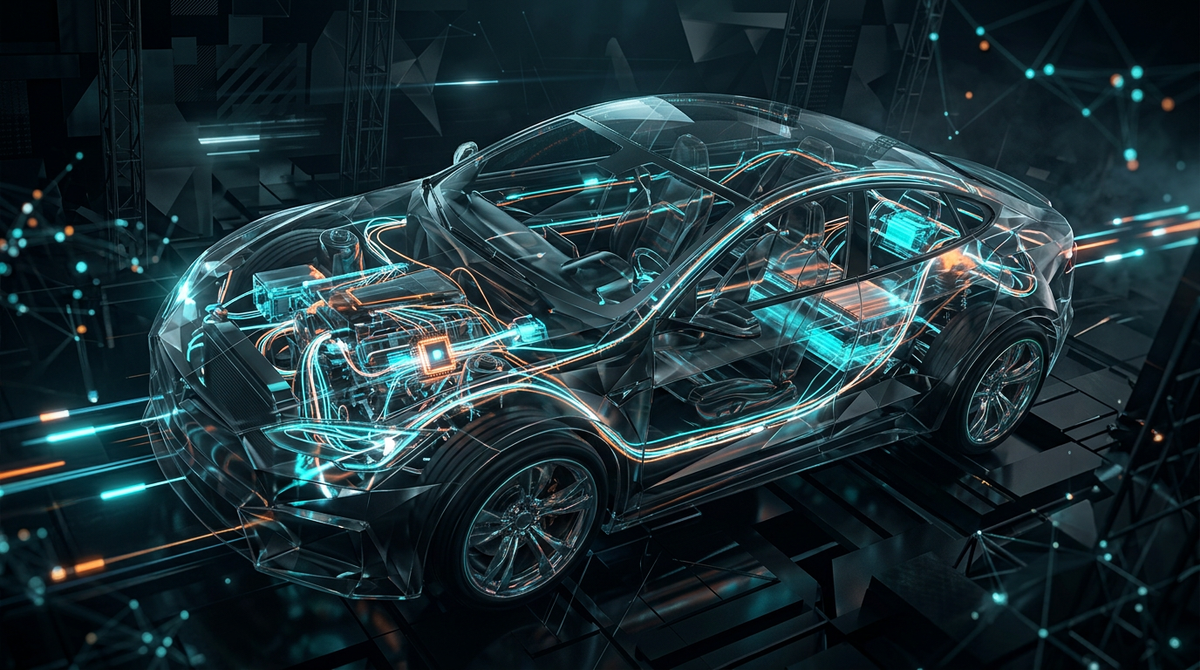
As the automotive industry pivots toward Software-Defined Vehicles (SDV) and AI-integrated cabins, the internal plumbing of the car is being completely overhauled. The traditional CAN bus is no longer sufficient; instead, "AI-Defined Vehicles" are turning to ultra-fast Auto Ethernet to handle the massive data throughput required by real-time AI agents and high-resolution sensor arrays.
This transition brings significant engineering hurdles, particularly regarding reliability and latency. In an SDV, safety-critical functions like braking and steering are increasingly reliant on the network. To address this, engineers are implementing Time-Sensitive Networking (TSN) protocols to ensure that high-priority data packets arrive exactly when they are needed, without "jitter" or delay. The pressure is on to maintain 100% uptime in a harsh environment characterized by extreme temperatures and electromagnetic interference.
Moreover, security is no longer an afterthought. With cars effectively becoming mobile data centers, features like MACsec (Media Access Control Security) are being integrated at the hardware level to encrypt data in transit. This ensures that the communication between the AI "brain" and the vehicle's actuators is protected from sophisticated cyberattacks. As we move closer to Level 4 autonomy, the reliability of the Auto Ethernet backbone will be the thin line between a seamless journey and a critical system failure.
Source: Semiconductor Engineering