NHTSA Standardizes ADAS Performance for Emergency Situations
Modern ADAS and autonomous systems are struggling with emergency vehicles and first responders, leading to a federal demand for better integration. The NHTSA is making it clear that navigating sirens and sirens is a core requirement, not an optional feature.
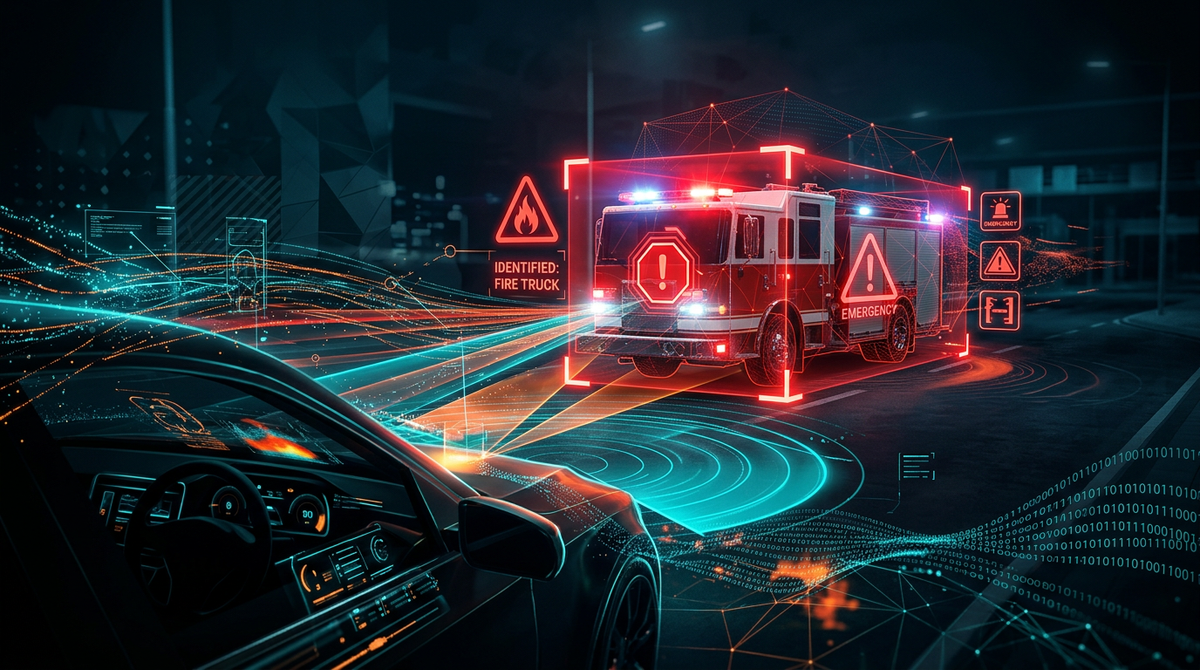
Advanced Driver Assistance Systems (ADAS) have made massive strides in lane-keeping and adaptive cruise control, but a critical gap remains: the "emergency vehicle problem." The National Highway Traffic Safety Administration (NHTSA) recently issued a stern demand to autonomous vehicle and ADAS developers, stating that interference with first responders is no longer an acceptable performance variance.
Recent data suggests that even sophisticated ADAS suites can struggle to recognize the frantic, non-standard movements of fire trucks or the specific lighting patterns of police vehicles. In several instances, autonomous systems have failed to "pull over" correctly, occasionally blocking hydrants or obstructing narrow passages during emergencies. The regulator’s stance is that these scenarios are fundamental parts of the driving task, and systems must be engineered with a "first responder first" priority.
For the ADAS industry, this means a shift in sensor training. Algorithms must move beyond standard obstacle detection to recognize the semiotics of emergency scenes. This includes interpreting hand signals from traffic officers and accounting for the high-intensity strobe lights that can "blind" certain camera-based systems. The future of safe autonomy depends on these systems becoming predictable partners to emergency services.
Source: TechCrunch