Navigating the Smoke: Regulatory Pressure Mounts on AV Emergency Response
NHTSA is cracking down on autonomous vehicle providers after several incidents where robotaxis interfered with emergency responders. Zoox has recently issued a software recall following an incident where heavy smoke from a fire confused its primary sensing suite.
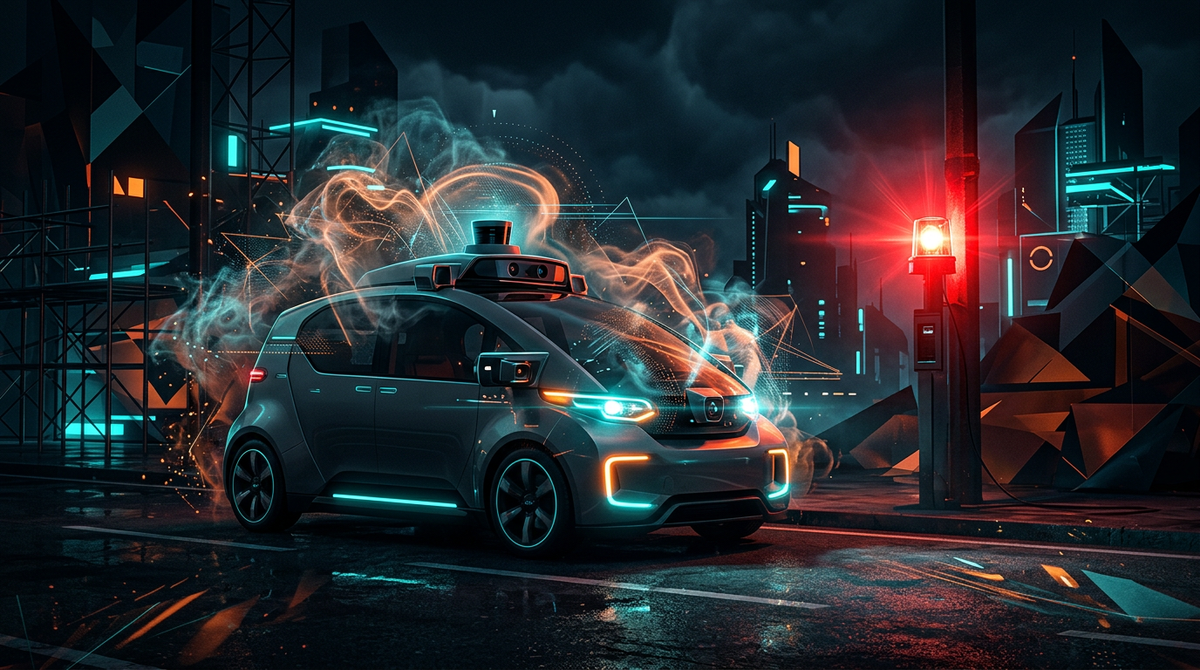
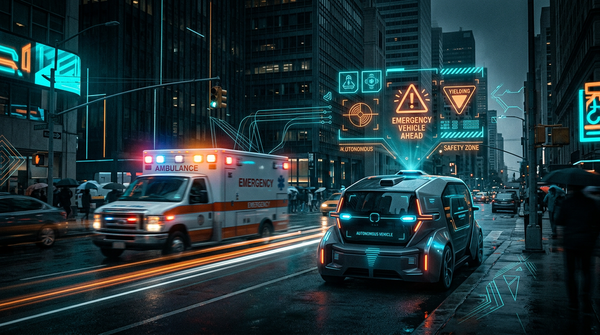
The honeymoon phase for autonomous driving testing is facing a regulatory reckoning as the National Highway Traffic Safety Administration (NHTSA) demands that "edge cases" involving first responders be treated as core safety priorities. The federal push comes in response to multiple reports of autonomous vehicles (AVs) blocking ambulances, driving through fire hoses, or failing to recognize temporary traffic controls at accident scenes.
In a high-profile response to these concerns, Amazon-owned Zoox has issued a software recall. The corrective measure follows an incident where one of its robotaxis became confused by heavy smoke at an emergency scene, leading to erratic behavior. The incident highlights a persistent challenge in Advanced Driver Assistance Systems (ADAS) and full autonomy: the "perception gap" during degraded visibility.
Smoke, steam, and heavy precipitation can create "ghost obstacles" or obscure the vision of LiDAR and camera systems. The recall involves updates to the vehicle's perception stack to better identify emergency lighting and distinguish between atmospheric particulates and solid obstacles. As AV companies race to prove their safety records, the ability to flawlessly negotiate the chaotic environment of an active emergency scene is becoming the new gold standard for regulatory approval.
Source: TechCrunch