Mastering Manipulation: The Quest for Human-Level Dexterity in Robotics
Startups are tackling the 'hand problem' in robotics by using novel data collection methods to train dexterous manipulators. Meanwhile, NASA is empowering the next generation of robots with assembly skills required for space exploration.
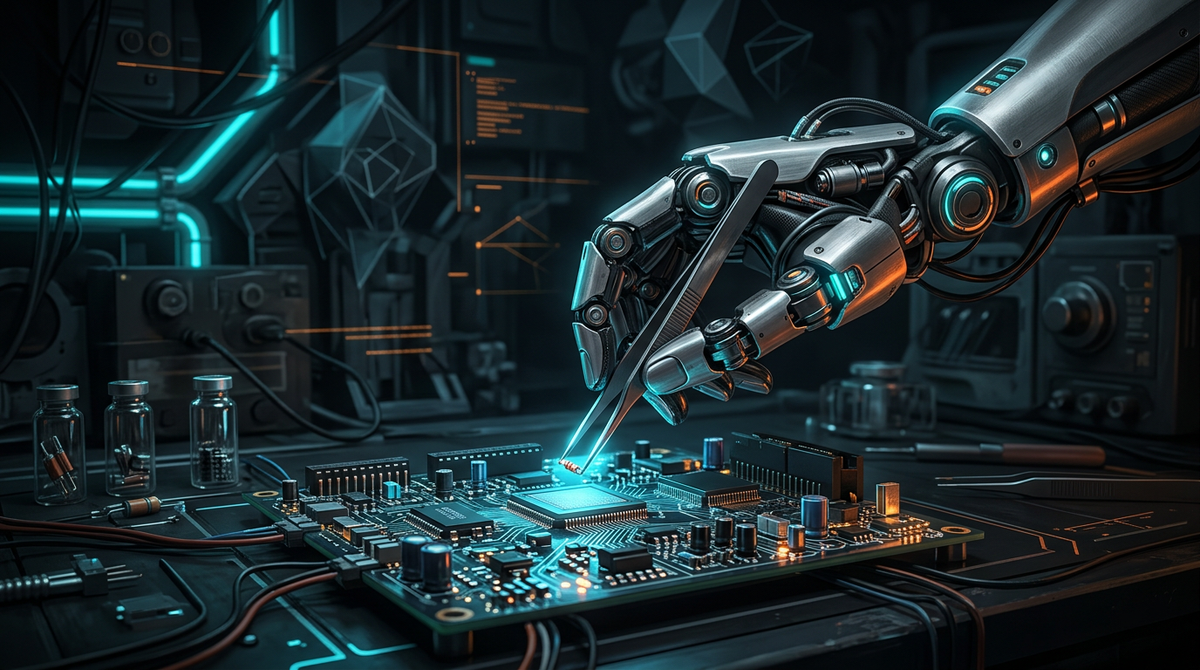
The field of robotics is currently obsessed with one of the most difficult engineering challenges in existence: human-level dexterity. While mobile robots have mastered navigating environments, the 'robot hand' remains a bottleneck. Startups like Proception are now using unique data collection strategies to solve this, settling legal disputes over IP and securing new funding to push the boundaries of robotic touch and manipulation. By focusing on the intricacies of the human hand, developers are creating models that can handle fragile objects with the same precision as a human technician.
Parallel to these commercial efforts, the frontiers of robotics are expanding into space. Researchers working with NASA are developing robots with advanced assembly skills, capable of constructing habitats or repairing satellites in orbit. These systems must operate in zero-gravity environments where traditional physics models are upended. The focus here is on autonomous problem-solving—creating robots that don't just follow a script but can adapt to the mechanical challenges of space-based construction.
Whether on a factory floor or a lunar station, the next generation of robots is defined by their ability to interact with the world with increasing granularity. From performing robotic surgery to frying drones in flight, the hardware is becoming more specialized, while the software becomes more generalized. The confluence of high-torque actuators and AI-driven spatial reasoning is finally bringing us closer to the' general-purpose' robot envisioned by science fiction.
Source: TechCrunch / IEEE Spectrum