Kinetic AI: Bringing ADAS-Level Precision to Drone Defense
The Pentagon is deploying AI-powered targeting systems to help infantry units detect and neutralize hostile drones. The system can distinguish between birds and threats faster than human operators.
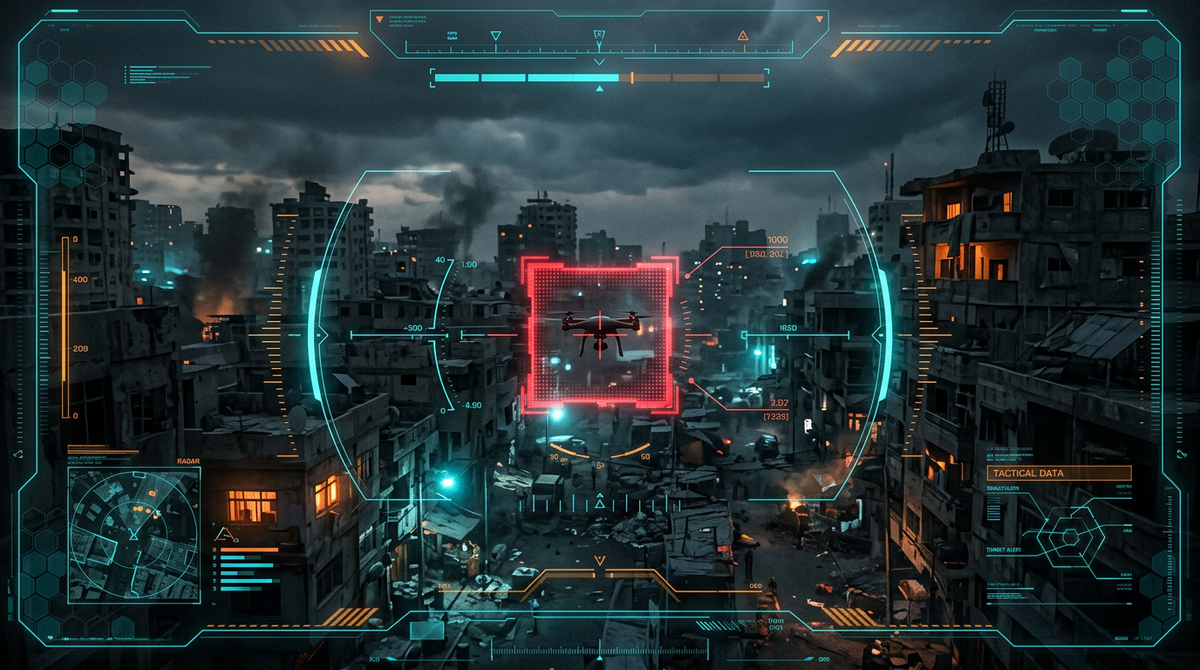
The modern battlefield is increasingly defined by the "drone threat," where low-cost loitering munitions can disable multi-million dollar assets. To counter this, the Pentagon is moving beyond traditional electronic warfare and toward AI-enhanced kinetic solutions. By integrating AI targeting into portable weapon systems, the military is giving individual soldiers the ability to shoot down small, fast-moving drones with unprecedented accuracy.
These Advanced Driver Assistance Systems (ADAS) for weaponry—effectively "Soldier ADAS"—utilize computer vision to identify, track, and predict the flight path of small UAS (Unmanned Aerial Systems). One of the most significant hurdles in drone defense is the "clutter" problem: distinguishing a lethal quadcopter from a bird or wind-blown debris. The AI models deployed in these systems are trained on thousands of flight profiles to make split-second "friend or foe" determinations.
This technology represents a shift from area-denial (like jamming) to precision neutralization. As drones become more autonomous and resistant to jamming, the reliance on AI-assisted physical targeting will become the standard for point-defense. For the soldier, this means a reduction in cognitive load and a massive increase in survivability against the swarm.
Source: C4ISRNet village