Interpreting the Human Element: How VLMs are Teaching Robots Emotion
As robots take on more social roles, new research explores how visual language models (VLMs) can help machines interpret human expressions. This integration is key to safer and more intuitive human-robot interaction.
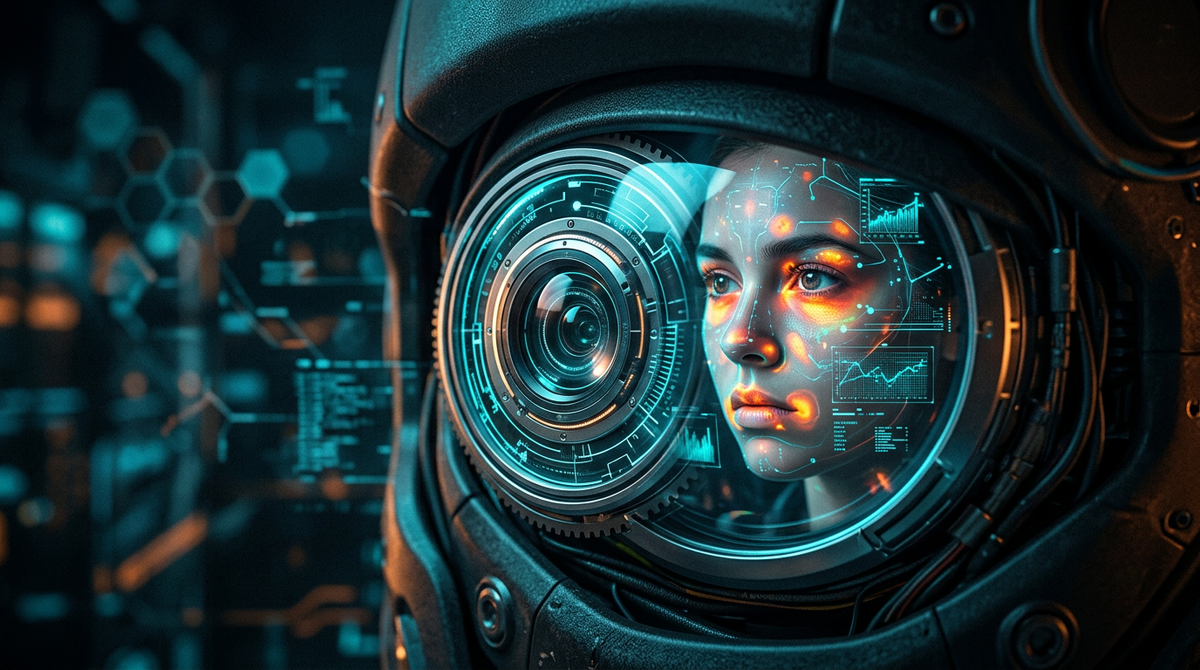
The next generation of Advanced Driver Assistance Systems (ADAS) and social robotics is looking beyond simple obstacle detection to something much more complex: human emotion. New research into Visual Language Models (VLMs) is providing robots with the ability to "read" human facial expressions and body language, allowing for more nuanced interactions in shared environments.
For ADAS, this could mean a vehicle that understands not just that a pedestrian is on the sidewalk, but that the pedestrian appears distracted or distressed, prompting a more cautious approach. By integrating VLMs, these systems can process visual data similarly to how large language models process text, finding patterns in human behavior that traditional algorithms might miss.
This emotional intelligence is also being applied to domestic and industrial robots. As machines move out of cages and into homes or hospital hallways, the ability to recognize a confused or frustrated human user is vital for safety and utility. Training these models requires vast amounts of multimodal data, but the result is a machine that feels less like a programmed tool and more like an intuitive partner.
Source: IEEE Spectrum