Hyundai Tests Next-Gen SDV Architecture in New IONIQ 6 Prototype
Hyundai is moving toward a software-centric future, testing a new high-tech Software-Defined Vehicle (SDV) setup in the IONIQ 6. This architecture allows for deeper integration of vehicle functions and seamless over-the-air updates.
Hyundai’s Blueprint for the Living Vehicle
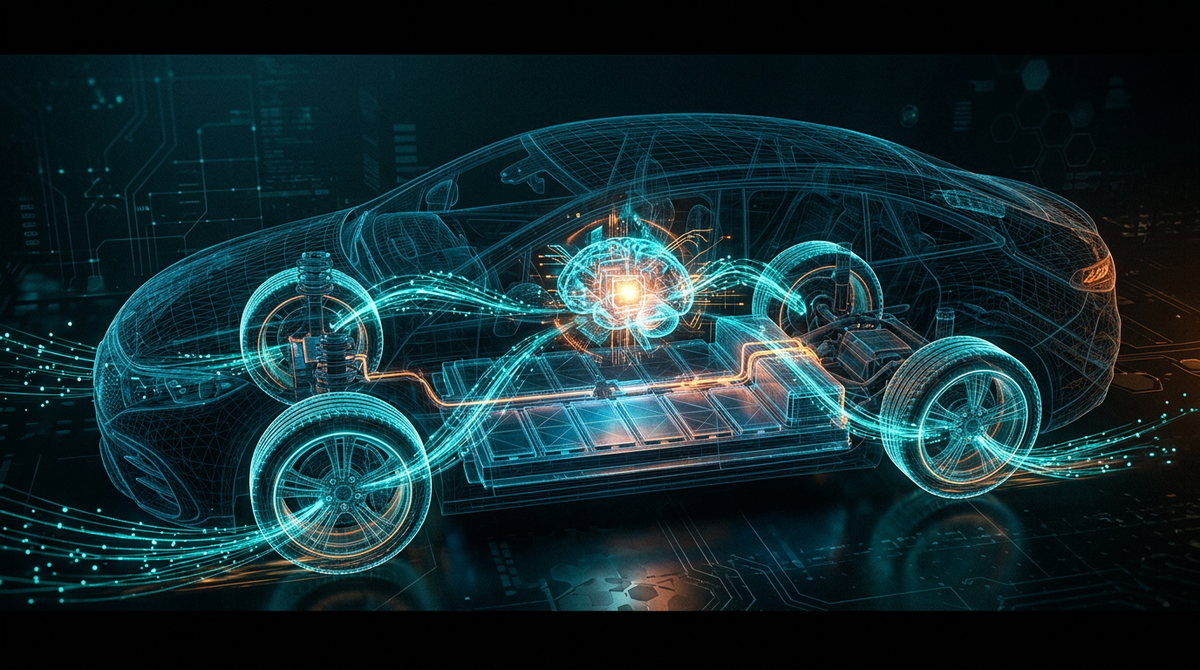
The automotive industry is in the midst of a tectonic shift from hardware-centric design to Software-Defined Vehicles (SDVs). Hyundai is signaling its commitment to this future with a heavily modified IONIQ 6 spotted near its European R&D hub. This prototype isn't a mere cosmetic refresh; it serves as a rolling testbed for an entirely new electronic architecture that treats the car's hardware as a peripheral to a centralized compute core.
In an SDV, the vehicle’s features—from suspension tuning and battery management to infotainment and autonomous capabilities—are managed by a unified software stack. This enables "feature-on-demand" capabilities and ensures that the vehicle can improve over time via over-the-air (OTA) updates. By decoupling hardware and software development cycles, Hyundai can deploy new safety algorithms or efficiency optimizations without waiting for a physical mid-cycle refresh.
The spotted IONIQ 6 prototype features an array of new sensors and a revised cockpit layout designed to showcase these software advancements. As Hyundai moves closer to a full-scale SDV rollout in 2027, the focus is squarely on "observability"—ensuring that the internal silicon can provide real-time feedback on every system's health, a move that is essential for both performance and the eventual transition to higher levels of autonomy.
Source: Electrek
Source: Electrek