Hallucinating Reality: How World Models are Training Physical AI
A new 'world model' named Oasis 3 is capable of generating photorealistic driving environments in real-time. This AI breakthrough allows developers to simulate complex, hours-long driving scenarios to train autonomous systems without real-world risks.
The Rise of Generative Simulation in Robotics
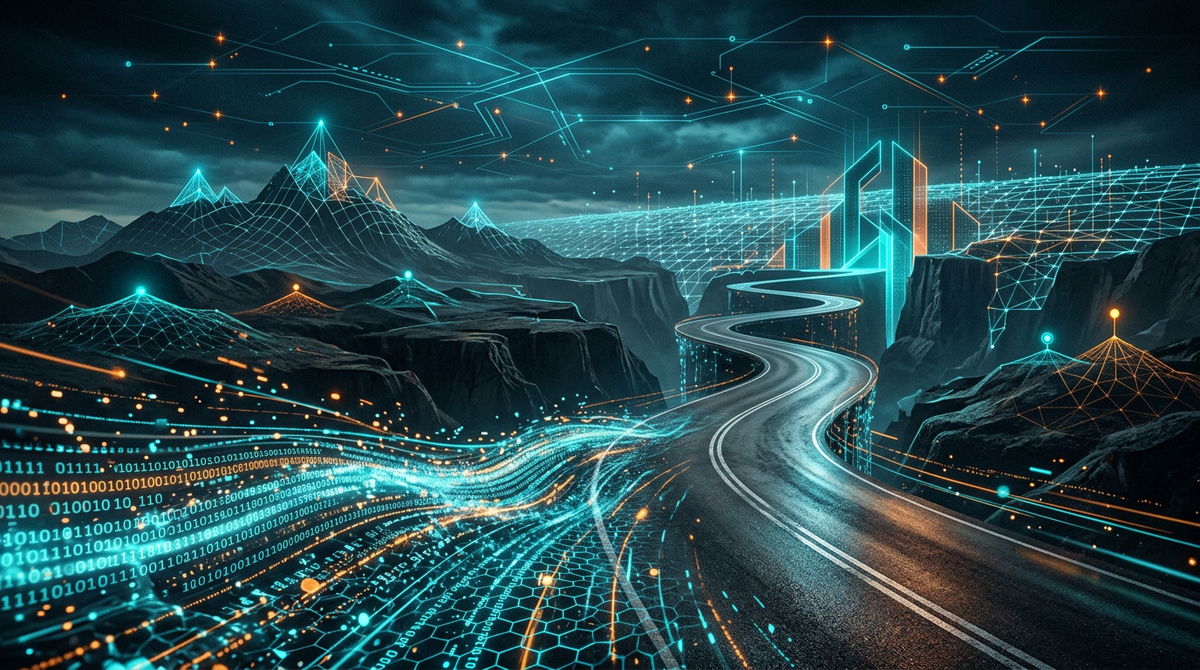
The boundary between the digital and physical worlds is thinning as generative AI enters the realm of "world models." Decart has recently unveiled Oasis 3, a real-time world model that can simulate hours of photorealistic driving. Unlike traditional simulations that rely on manually coded physics engines, Oasis 3 uses deep learning to predict and generate the next frame of a video based on control inputs, effectively creating a "hallucinated" but physically consistent environment for training Physical AI.
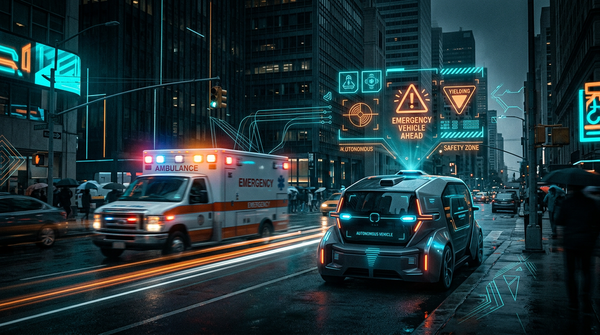
This approach addresses one of the most significant bottlenecks in Physical AI: the data scarcity problem. Training a robot or a self-driving car to handle "edge cases"—such as a pedestrian darting out from between parked cars in a rainstorm—is dangerous and expensive in the real world. By utilizing a world model, developers can subject their AI agents to an infinite variety of high-fidelity scenarios within a safe, virtual space.
Oasis 3 is now accessible via API, allowing a broader range of developers to build and test autonomous systems. While the technology currently comes with caveats regarding long-term temporal consistency, it represents a shift toward "Foundation Models for the Physical World," where AI learns how the world works simply by observing and predicting video data.
Source: TechCrunch