Gecko Robotics and the U.S. Navy: Automating the Future of Fleet Readiness
The U.S. Navy has awarded Gecko Robotics its largest deal yet to deploy predictive maintenance robots across the fleet. These robots use advanced sensors to identify structural weaknesses, ensuring naval readiness through automated inspection.
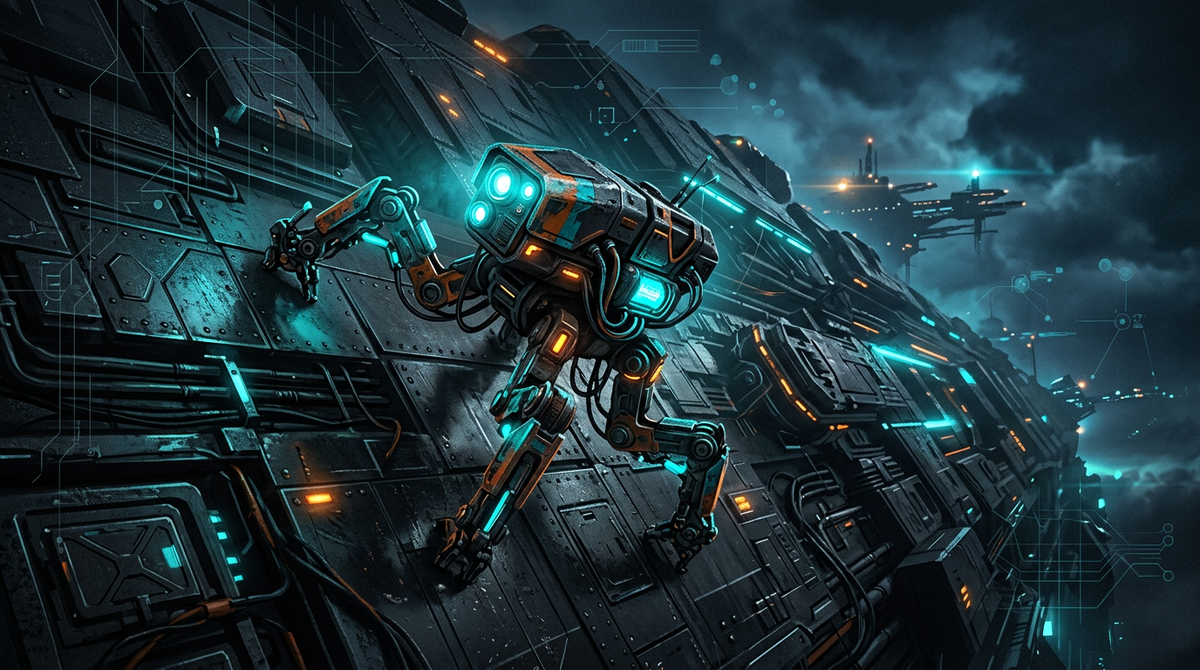
Robotics is taking on one of the most grueling tasks in the U.S. military: hull maintenance and structural inspection. Gecko Robotics recently secured a landmark five-year deal with the U.S. Navy, the largest of its kind, to deploy autonomous robots that can 'climb' the sides of ships and submarines. Using rapid ultrasonic gridding and advanced sensors, these robots create high-fidelity 'digital twins' of naval assets, identifying corrosion and cracks that are invisible to the human eye.
This is not just a hardware play; it is a data-driven revolution in fleet management. By utilizing Gecko’s robots, the Navy can move from a 'break-fix' model to a predictive maintenance model. This ensures that ships spend less time in dry dock and more time on mission. The robots can navigate complex vertical surfaces and harsh environments, collecting millions of data points that are analyzed by AI to predict where a failure might occur months before it happens.
The deal signifies a growing trust in autonomous systems for critical infrastructure. As the Navy seeks to maintain an aging fleet while rapidly modernizing, robotics offers a way to scale human expertise. These wall-climbing inspectors are the vanguard of a new class of industrial robots designed to work in the world’s most demanding physical environments, proving that the future of naval power is as much about maintenance as it is about fire power.
Source: TechCrunch