From Highways to Combat: AI-Augmented Targeting as the New ADAS
The Pentagon is accelerating the deployment of AI-powered targeting systems to help front-line troops intercept drones. New technology can distinguish between threats and non-threats faster than human perception allows.
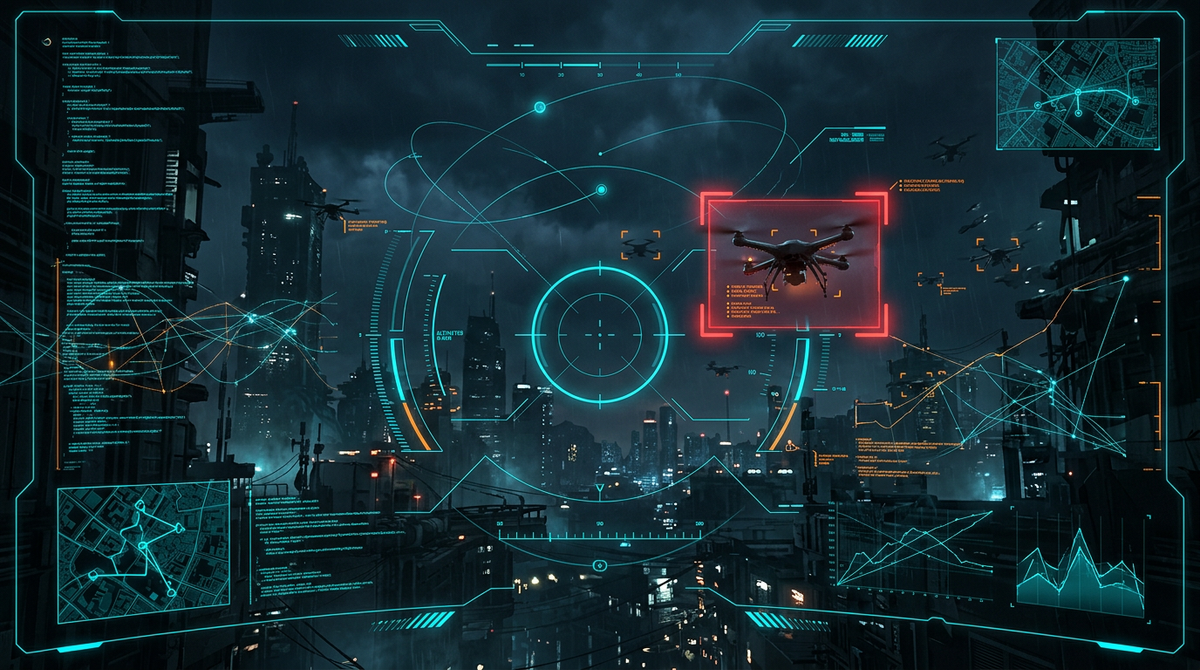
Advancements in Advanced Driver Assistance Systems (ADAS) are finding high-stakes applications beyond the highway. The Pentagon is currently turning to AI-based targeting technologies to assist troops in the "counter-UAS" (Unmanned Aircraft Systems) mission. These systems function essentially as combat-grade ADAS, providing situational awareness and automated threat detection to intercept hostile drones.
A major challenge in modern warfare is the sheer speed and quantity of low-cost drones. Human operators struggle to differentiate between a small quadcopter and a bird at long distances, or to track multiple targets simultaneously. The new AI systems utilize computer vision and sensor fusion—technologies perfected in the automotive world—to identify threats and suggest the optimal engagement method in milliseconds.
Beyond just detection, these systems are designed to integrate with existing weapon platforms, providing a "software-augmented" layer that improves accuracy. As the line between civilian and military tech continues to blur, the rapid development of vision-based ADAS for drone defense suggests that the future of tactical awareness lies in the same algorithms that keep modern cars in their lanes.
Source: C4ISRNET