Beyond the Edge Case: Integrating First Responders into ADAS Logic
The NHTSA is demanding that autonomous vehicle manufacturers prioritize emergency vehicle detection and response. This push seeks to move beyond viewing first responders as 'edge cases' in ADAS development.
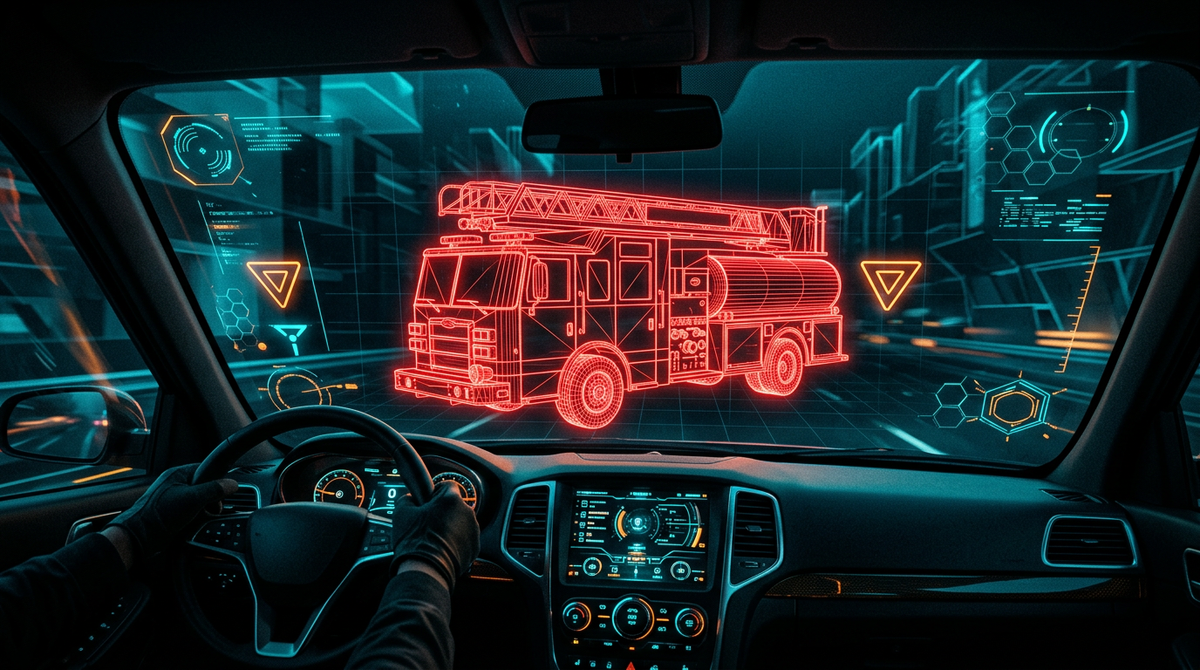
Advanced Driver Assistance Systems (ADAS) have made massive strides in lane-keeping and adaptive cruise control, but a critical gap remains: the interaction between automated systems and first responders. The National Highway Traffic Safety Administration (NHTSA) recently issued a stern reminder to the industry that emergency scenes—characterized by flashing lights, sirens, and unorthodox road positioning—cannot be treated as 'edge cases' that the system learns later.
For ADAS to truly enhance safety, it must be inherently programmed to recognize and defer to emergency vehicles. Current systems sometimes struggle with 'phantom braking' when encountering the high-intensity strobes of a fire truck or, conversely, fail to recognize a police officer directing traffic with hand signals. The federal demand for better integration suggests that future ADAS certifications may require rigorous testing against simulated emergency scenarios.
This regulatory pressure is forcing ADAS providers to refine their computer vision models to account for the unique visual signatures of emergency responders. It is no longer enough for a car to stay in its lane; it must be 'socially aware' enough to move over and yield, even when the road markings are obscured by emergency equipment. This shift represents the maturation of ADAS from simple automation to complex, cooperative driving behavior.
Source: TechCrunch