AI Factories: The New Infrastructure of Real-Time Intelligence
The transition from digital assistants to agentic AI requires a fundamental rethink of infrastructure. NVIDIA's 'AI Factories' represent a shift toward real-time intelligence generation where performance-per-watt and constant uptime are the new gold standards.
The Rise of the Token Factory
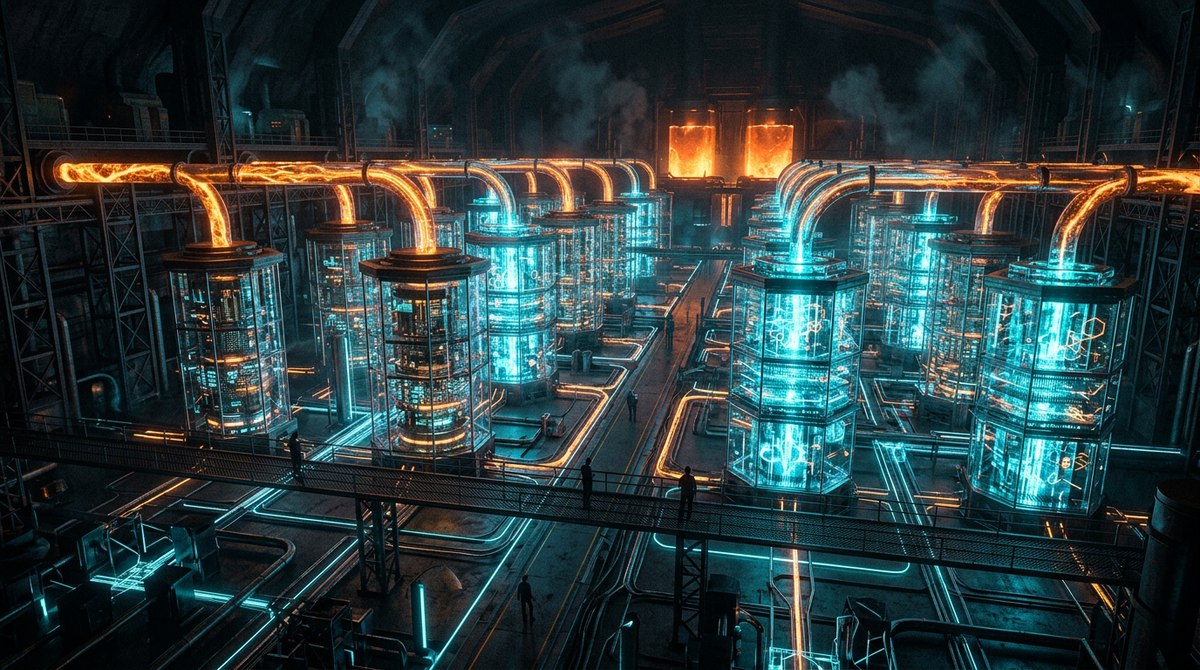
In the evolving landscape of Physical AI, the concept of a data center is being replaced by the "AI Factory." As defined by recent industry shifts, these facilities are no longer just repositories for data; they are manufacturing plants for intelligence. The primary output of these factories is "tokens"—the fundamental units of generative and agentic AI—produced through the continuous conversion of electrical power into actionable reasoning.
The move toward agentic AI represents a significant leap in complexity. Unlike traditional AI models that respond to discrete prompts, agentic systems are "always-on." They operate autonomously, navigating complex workflows and making real-time decisions in enterprise environments. This shift places an unprecedented premium on performance-per-watt. Because these agents are meant to be deployed at scale, even minor inefficiencies in power consumption can lead to massive operational costs and environmental impacts.
Central to this infrastructure are specialized processors like the Vera CPU, designed specifically to handle the "heavy-hitting" demands of agentic workloads. These systems require fast cores and massive memory bandwidth to sustain high performance across all active cores simultaneously. As we integrate these intelligence engines into the physical world—managing supply chains or controlling industrial robots—the reliability and efficiency of the AI factory will become the backbone of the modern economy.
Source: NVIDIA Blog
Source: NVIDIA Blog